PVAO Activites Plus Honey Creek and Sachtleben Observatories, and the UNK Planetarium
(Directions to these observatories can be found below on this page)
October 2nd
- Omaha
Astronomical Society meeting at 7:30 PM (Social time starting at 6:00 PM). More information is here
Omaha Astronomical Society
Instructions to attend the meeting online are
here.
October 2nd or 3rd
(Depending on the weather) - Public viewing at Merrit Reservoir/Boardman's
Campground at dusk.
For more information click here.
October 9th- Deep sky viewing and
constellation tour at Honey
Creek Observatory - Starting at 8:00 PM. Click the Honey Creek Observatory link in the main menu
above for more information.
October 22nd -
General meeting of the PVAO at 7:30 PM.
Online attendance links are sent to those on the PVAO email list and by
request.
This is the last meeting for 2026!
October 27th - General
meeting of the Prairie Astronomy Club - 7:30 PM - at the
Hyde Memorial Observatory located in Holmes Park in southeast Lincoln NE.
For more information go to the
PAC webpage.
You can join the listserv and talk to us and each other! Email mark.urwiller@gmail.com
- it's free! We have 4 members that have their own observatories! We hope to see you at a meeting in 2026!
General meetings of the PVAO are held at Shadowmoon Observatory, 3629 W Guenther Road Grand Island Nebraska at 7:30 PM on the 4th Thursday of the month.
Google Maps link here. If you are not on the
club email list, please email us or join the list before just showing up at a
meeting. This is because we sometimes conduct our meetings online only! An alternate location for meetings is the Audubon Rowe Sanctuary south of Gibbon Nebraska. Click here for directions. The public is welcome!
Videos For The Current Month Will Be Posted When They Become Available.
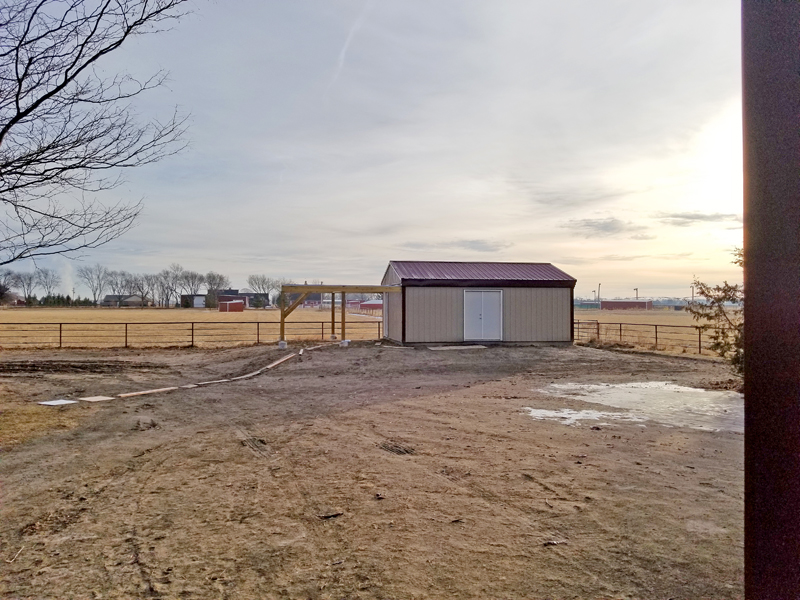
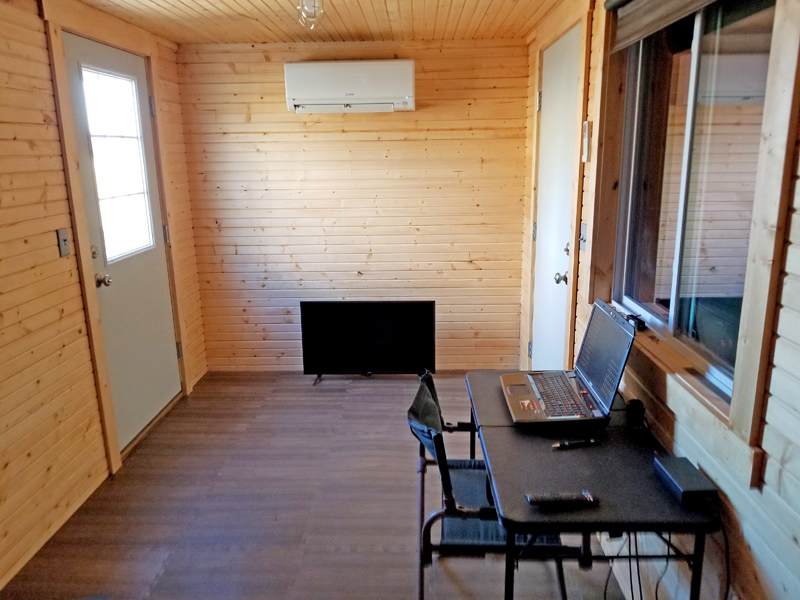
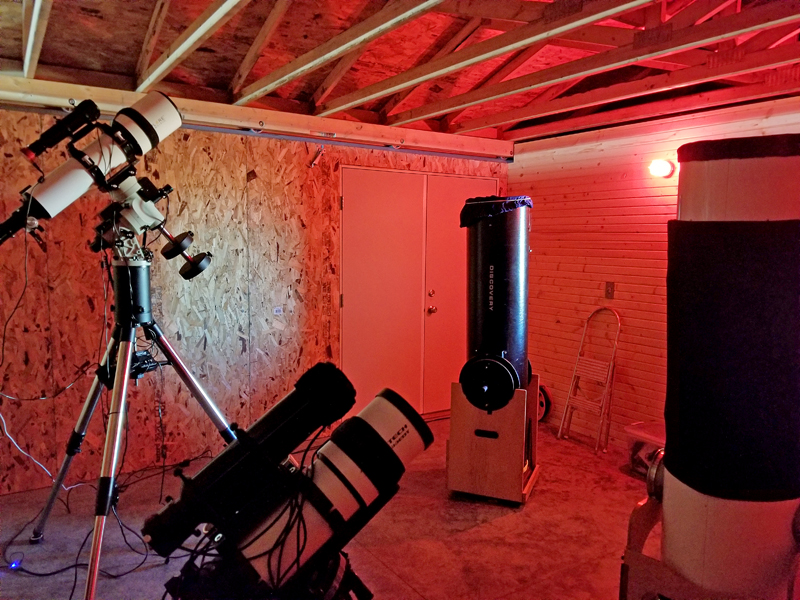
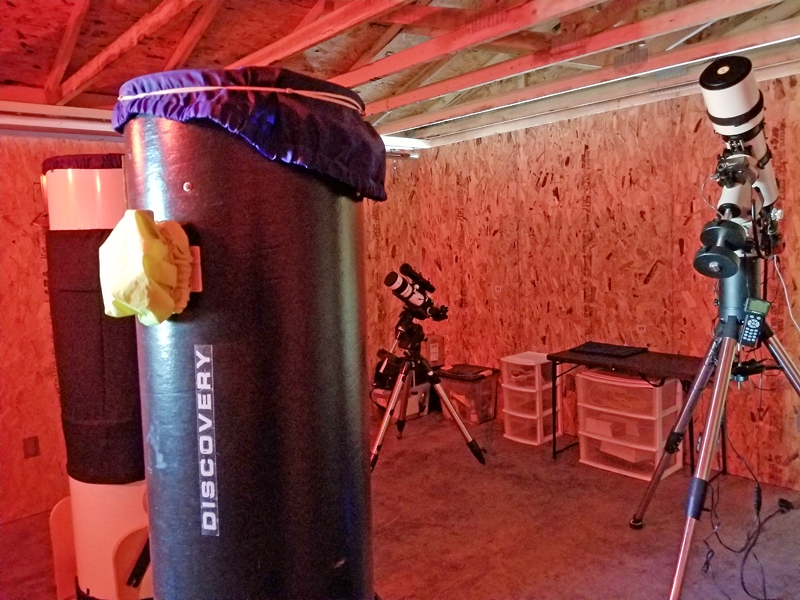
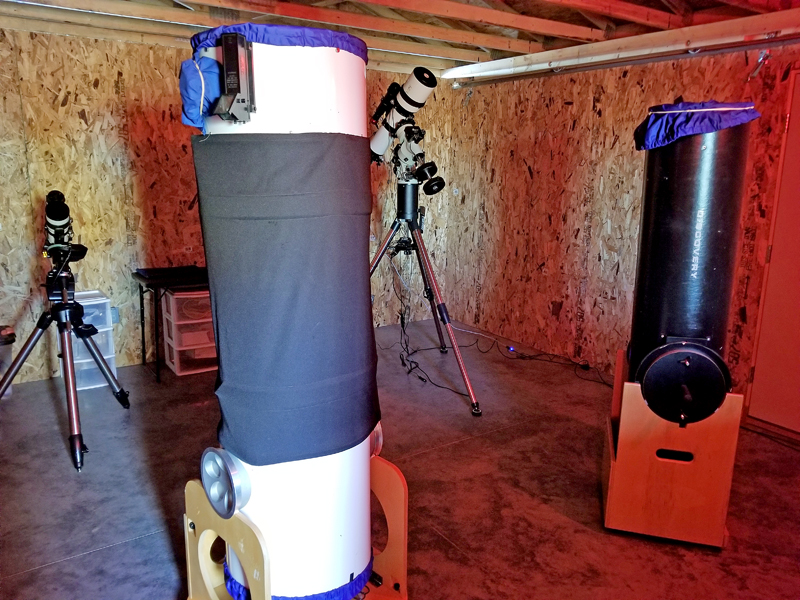
Bob Wenzl, PVAO member and our Astronomical League Correspondant (ALCOR) has an observatory south of Grand Island! He offers this facility for PVAO monthly meetings. This is great since
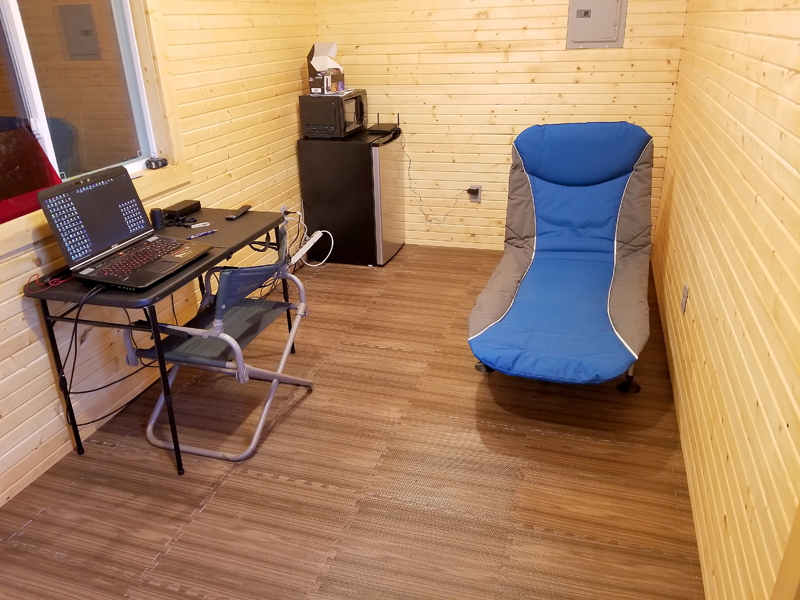
it allows us to either observe (1st priority) or hold programs! This is only one of 4 member observatories and has a climate controlled portion where we can meet and stay warm/cool/dry. Bob has 4 scopes here and
takes images with 2 scopes Thanks Bob!
Important News For Potential New Members!
This spring (2026) we
decided to go back to charging yearly dues. Our online/out of town
members agreed we needed to do this. Club dues are $25 for adults.
Children/students through high school are free. Dues for 2026 are being
collected now. After this year, dues will be collected in Janaury of
each year. Check the membership page for benefits of being a member.
Simple and fun learning activities to share with children.
Clues from Ancient Light--
With the GALEX space telescope, astronomers know the age of a sources light by its degree of red shift. In this learning-by-analogy activity, kids arrange pictures of familiar objects by judging which is older.
Paint by Pixels--Make a picture using a technique similar
to that used by many NASA spacecraft to record and send pictures back to Earth.
Jay Rasmussen (now
deceased) created a telescope primer. Although prices have changed and
some brands have dissappeared, its highly suggested reading for anyone interested in information on buying their first telescope. Click on
the link below! If after reading this you have further questions, please contact us!
Directions to the Iain Nicolson Audubon Center (Club Alternate Meeting Site)
Exit I-80 at Gibbon Nebraska and turn south. Keep going until you cross both channels of the Platte River - this is a couple of miles. Just after passing the
main channel bridge, you will see a dirt road which goes east - Elm Island Road. Go past it! The next road to the south will again be Elm Island Road. This time it only goes west - you will also see the
Audubon sign. Take this one west! Take this road west until it turns south - a couple miles. Right at the turn to the south you will see the Audubon Center on the north side. You are there! You
can reach the center by phone at (308) 468-5282. Here is a Goggle Maps link so you can see where you're going:
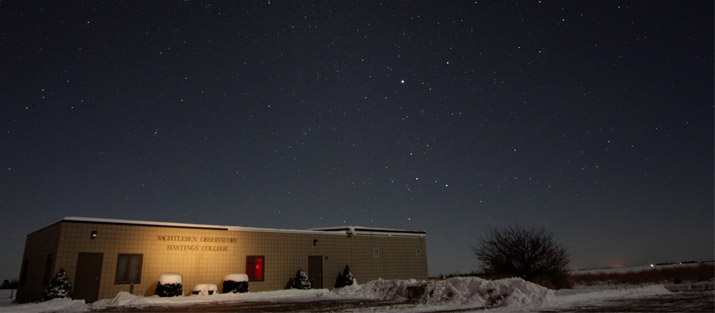
The facility is located on Wabash Avenue three miles south of U.S. Highway 6. The Wabash Avenue turnoff is about one mile east of the Hwy 6/Hwy 281 intersection and is marked with signs
to the observatory. If you're coming into Hastings from the north on 281, just go through town and take a left when you reach Hwy 6. The observatory is found on the left side of the street exactly three miles south of Hwy 6,
just before the pavement ends. If you hit gravel road, you've gone too far! Click the observatory photo to go the observatory's webpage complete with schedule, contact info,
and maps.
Keep In Touch With The Club
Email List!
If you would like to
subscribe to our email list - whether or not you are a member, all you really
need to do is e-mail mark.urwiller@gmail.com. Feel free to use the discussion listserv for any conversation involving club activities, astronomical discussion etc. It's there for you - use it!



![robber_jail_mugshot_flash_md_wht[1]](robber_jail_mugshot_flash_md_wht[1].gif)



 Send comments to:
mark.urwiller@gmail.com
Send comments to:
mark.urwiller@gmail.com